Intel VS AMD CPU: Which Processor Should you choose in 2026 ?
5th August, 2025
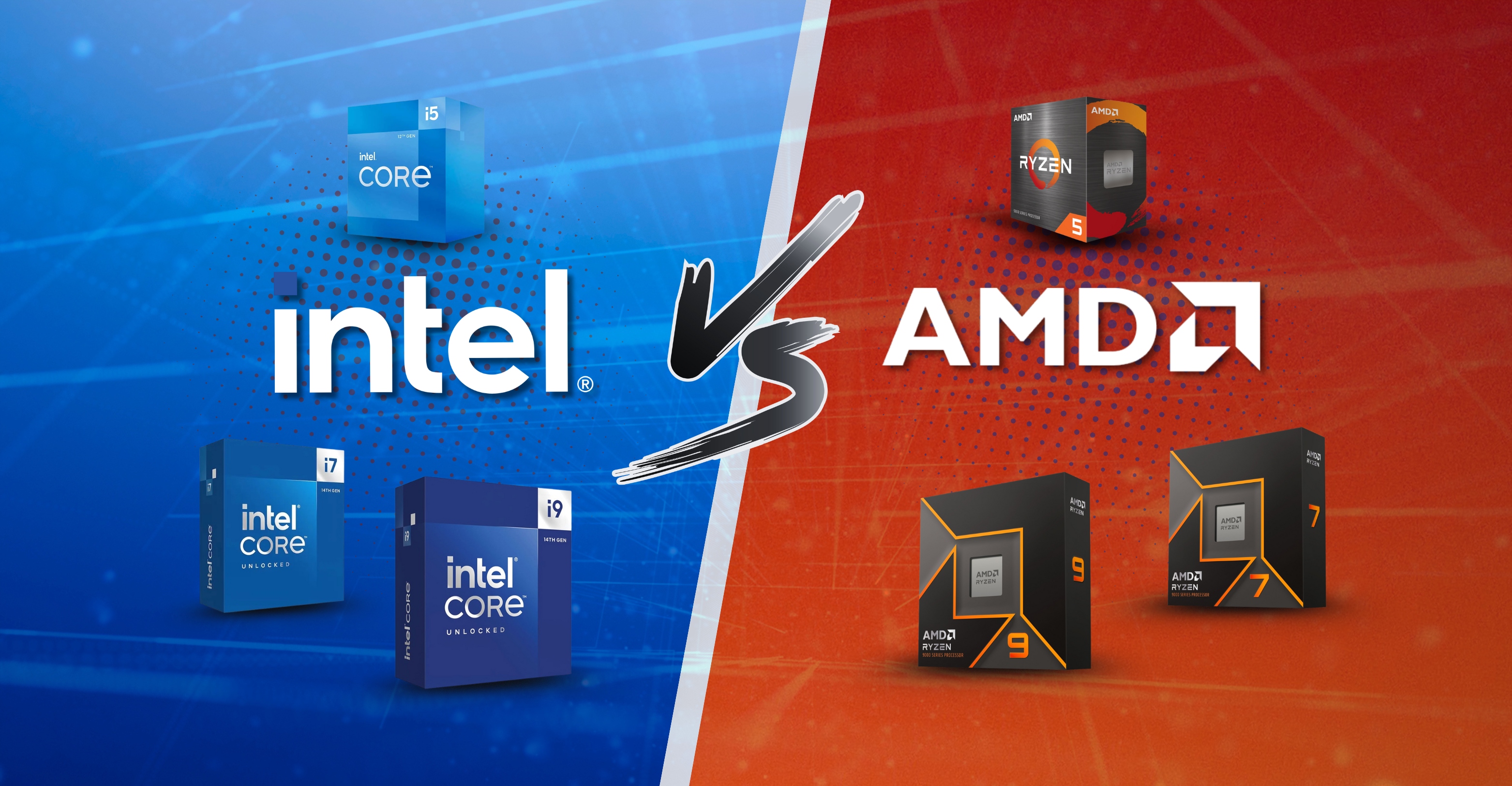
Are you confused between Intel vs AMD Processors: Which One Should You Choose in 2026? One question you've undoubtedly noticed if you plan to build a PC or purchase a laptop in 2026 is:
Which processor is better, AMD or Intel?
The tech community has been debating this for a while. Furthermore, choosing one brand over another is not the only solution. Both AMD and Intel provide excellent performance, but which option is best for you will depend on your laptop's intended use. In 2026, the best choice between AMD and Intel depends more on your specific workload and budget than on brand alone.
Let's breakdown everything in an easy-to-understand manner so you can make the best decision with confidence. This article is brought to you by the Zolpa Store, the best laptop store in Nepal as well as a store for computer, smartphones and tech products like Ram, SSDs.
A Quick Overview : What are Intel and AMD?
As of 2026, we are witnessing two of the most well-known brands in the CPU (processor) market are AMD and Intel. In order to power everything from simple tasks to demanding gaming and professional workloads, they both produce CPUs with multiple cores and threads. Their processors are available in various generations that improve features, performance, and power efficiency.
What is Intel Processor?
An intel Processor is a microprocessor type produced and developed by the Intel Corporation, a leading manufacturer of microprocessor chips. Starting in 1971 AD by releasing Intel 4004, Intel gave the world first commercial microprocessor which transformed the power of large computers into a single chip. This innovation was turning point in the computing history and it shaped the possibility of personal computers, electronic designs and soon became the leader in microprocessors industry dominating the PC markets for decades. Soon it partnered with PC brands like Dell,HP, Lenovo, even Apple had intel chips in the past until it fully transitioned to its own Apple Silicon Chips. The strong presence, deep experience and as one of the largest semiconductor manufacturer in the world, Intel still hold itself firm among the top suppliers in the global market suppliers.
Even today Intel Processors are famous for
- Strong Single-Core Performance
- High Reliability & Stability
- Energy Efficiency in Laptops
- Wide Compatibility
- Hyper-Threading Technology
- Integrated Graphics (Intel UHD / Iris Xe)
- Long Lifespan & Support
What are AMD Processors?
AMD processors are a type of microprocessor designed and developed by Advanced Micro Devices Inc (AMD) with a belief to create more reliable better engineered chips at affordable prices. Beginning with K5 and K6 AMD launched Ryzen at 2017, which became a top product and sooner AMD appeared as a direct competitor to the intel. With the launch of Ryzen a new concept of more cores at less money was introduced which later became a tech sensation for the term price to performance and slowly AMD started gaining popularity. Within decades AMD beat the Intel in terms of Gaming and Performance.
The AMD popularity is still in the market because it offers:
- Better graphics than Intel
- Excellent battery life and better power efficiency
- Better multi core performance
- Cooler chips that offered more performance per watt
Key Differences between Intel vs AMD Processor
A. Core & Thread Differences
Lets explore how Intel separates itself from AMD in terms of core and thread differences.
B. Performance Comparison between AMD and Intel
Intel Processors: Outstanding single-core performance, ideal for:
⚡Playing video games
⚡Quick software reaction
⚡Applications that prioritize speed over multitasking
⚡Can be best laptop for programming
Intel's P+E hybrid architecture strikes a balance between battery life and power. Better compatibility with professional software and Windows-based apps.
AMD Processors: renowned for its multi-core capabilities, perfect for:
⚡Editing videos
⚡3D illustration
⚡Using several apps at once
In certain categories, it provides better performance at lower costs. Without a dedicated Graphics card, AMD's most recent integrated GPUs, such as the Radeon 780M, are excellent for light gaming.
C. Efficiency of Batteries and Heat
Even though Intel has now better optimized, Intel 13th and 14th generation laptops still frequently run hotter when used for high-performance tasks. Whereas, AMD Ryzen 7000 series CPUs use less power and have longer battery lives, particularly in ultra books and mid-range laptops that comes under one lakh. For longer battery backup, AMD has the edge (especially in thin and light models)
D. For whom is INTEL the best option?
Intel is a Fantastic choice if you :
⚡Better single-core performance and raw speed are required.
⚡Play games that require quick reactions and a high frame rate.
⚡Utilize programs such as Adobe Premiere, AutoCAD, SolidWorks, and Microsoft Office Suite.
⚡Desire Intel-specific features or Thunderbolt 4
Suggested Intel Models:
⚡Acer Predator Helios Neo 16s ai 2025 from Acer Predator Helios Series
⚡Intel i7/i9-powered Lenovo Legion
⚡Dell XPS or HP Spectra certified by Intel Evo
Choosing the best brand is important as some brands like ASUS offers warranty to the customers on all it's laptops under the term ASUS perfect warranty for it's products which is a good sign of after service to it's clients.
E. For whom is AMD the best option?
AMD is a fantastic choice if you:
⚡Desire more threads and cores for multitasking
⚡Engage in a lot of creative work, streaming, or video editing.
⚡Seek mid-range prices with better value
⚡A cooler laptop and a longer battery life.
⚡ Are okay without Thunderbolt but want solid performance
Suggested AMD Models:
⚡ASUS ROG Zephyrus G14 (Ryzen 9)
⚡Acer Swift Series (Ryzen 7)
⚡HP Pavilion
⚡Asus tuf a16 ryzen 7 7445hs rtx 4050
F. Comparison of Price and Value
AMD laptops are typically a little more affordable given the performance they provide. If you seeking for best laptop under 1 lakh in nepal, we have covered laptop guide for budget friendly options offering powerful AMD Ryzen 5 and 7 laptops. Although Intel laptops, particularly those with 13th or 14th Gen chips, may be slightly more expensive, they provide better support for professionals and creators who use software that has been optimized for Intel.
Best business laptops with AMD or Intel chip
When choosing a business laptop, both AMD and Intel offer strong options. Intel's Core i7 and i9 chips are known for their high performance, making them ideal for tasks like multitasking, data processing, and running demanding business applications. AMD's Ryzen 5 and 7 processors, on the other hand, deliver impressive performance at a more competitive price point, often with better integrated graphics. Both brands offer solid battery life, fast storage options, and security features, making them great choices for professionals on the go.
Here are some products to consider for business option.
Still confused? Talk to our laptop experts or explore Zolpa Store for best laptop price in Nepal and we’ll help match you with the perfect processor based on your needs.
Related Blogs

iPhone Duo in Nepal 2026: 12GB RAM, Storage, Features & Availability
18th September, 2026
Best Maono Microphones in Nepal for YouTube, Podcasting & Gaming
8th September, 2026
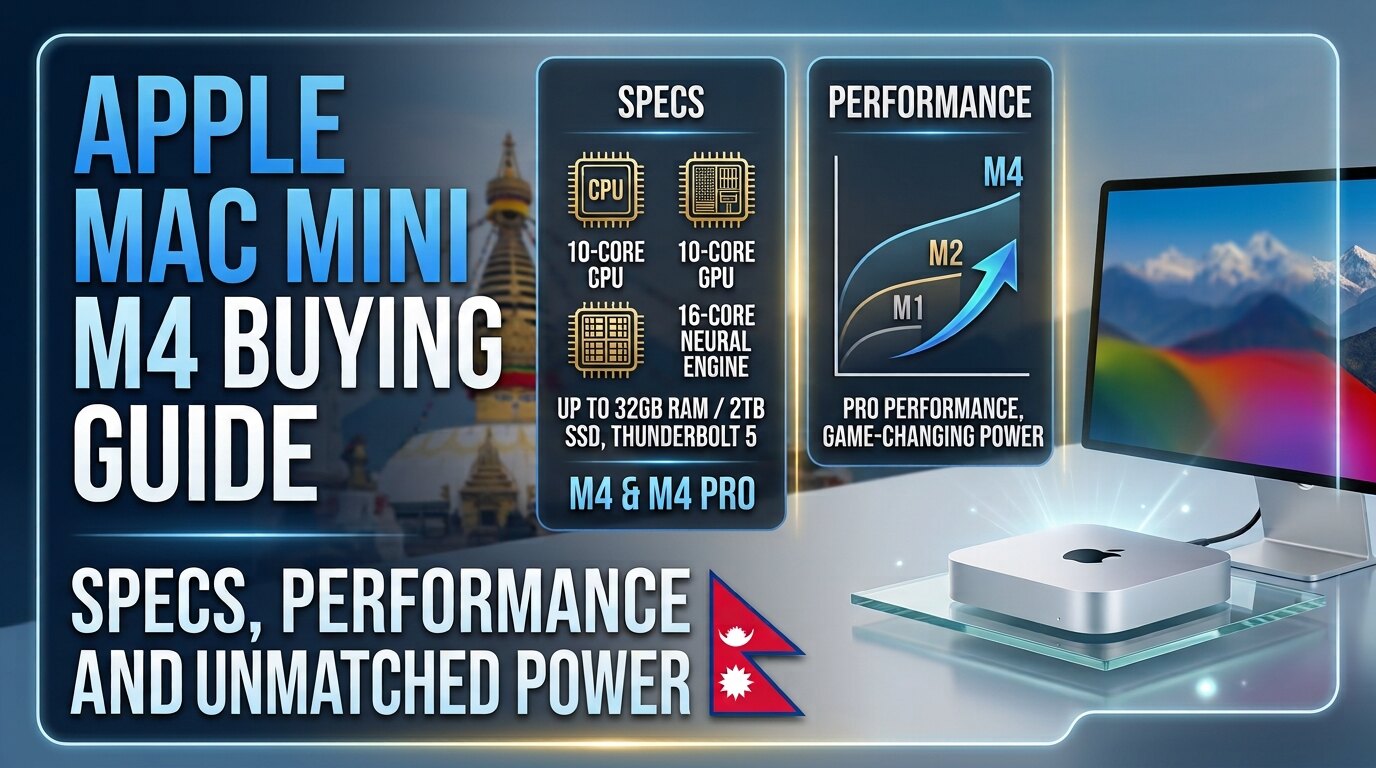
Apple Mac Mini M4 Buying Guide: Specs, Performance and Price in Nepal
21st August, 2026

Samsung Galaxy Z Fold8 Ultra, Z Fold8 & Z Flip8: Specifications, Features and Complete Comparison 2026
24th July, 2026
Gaming Laptop Price in Nepal (2026): Complete Detailed Guide, Latest Prices, Specs & Buying Advice
30th June, 2026
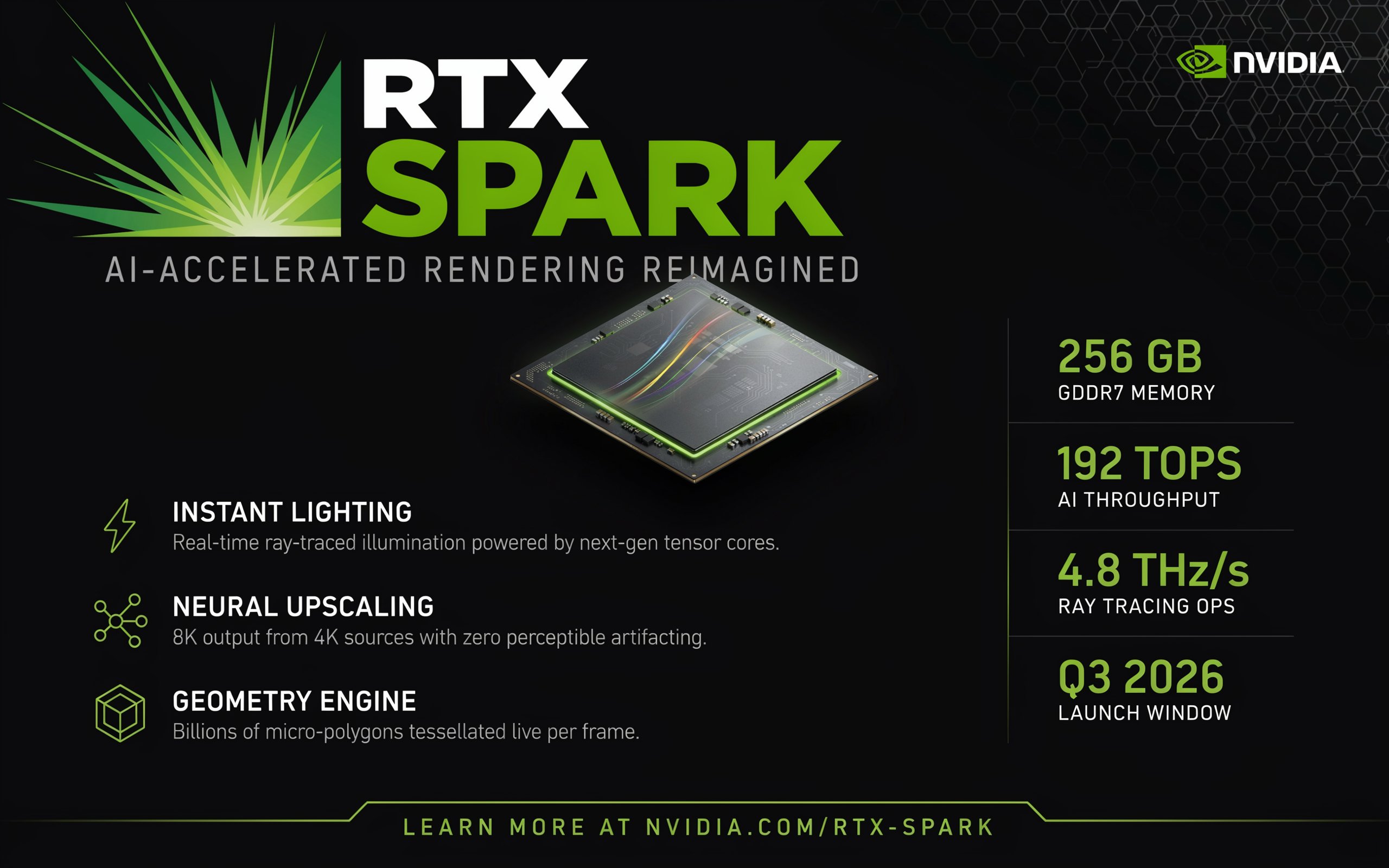
NVIDIA RTX Spark Full Specifications
15th June, 2026
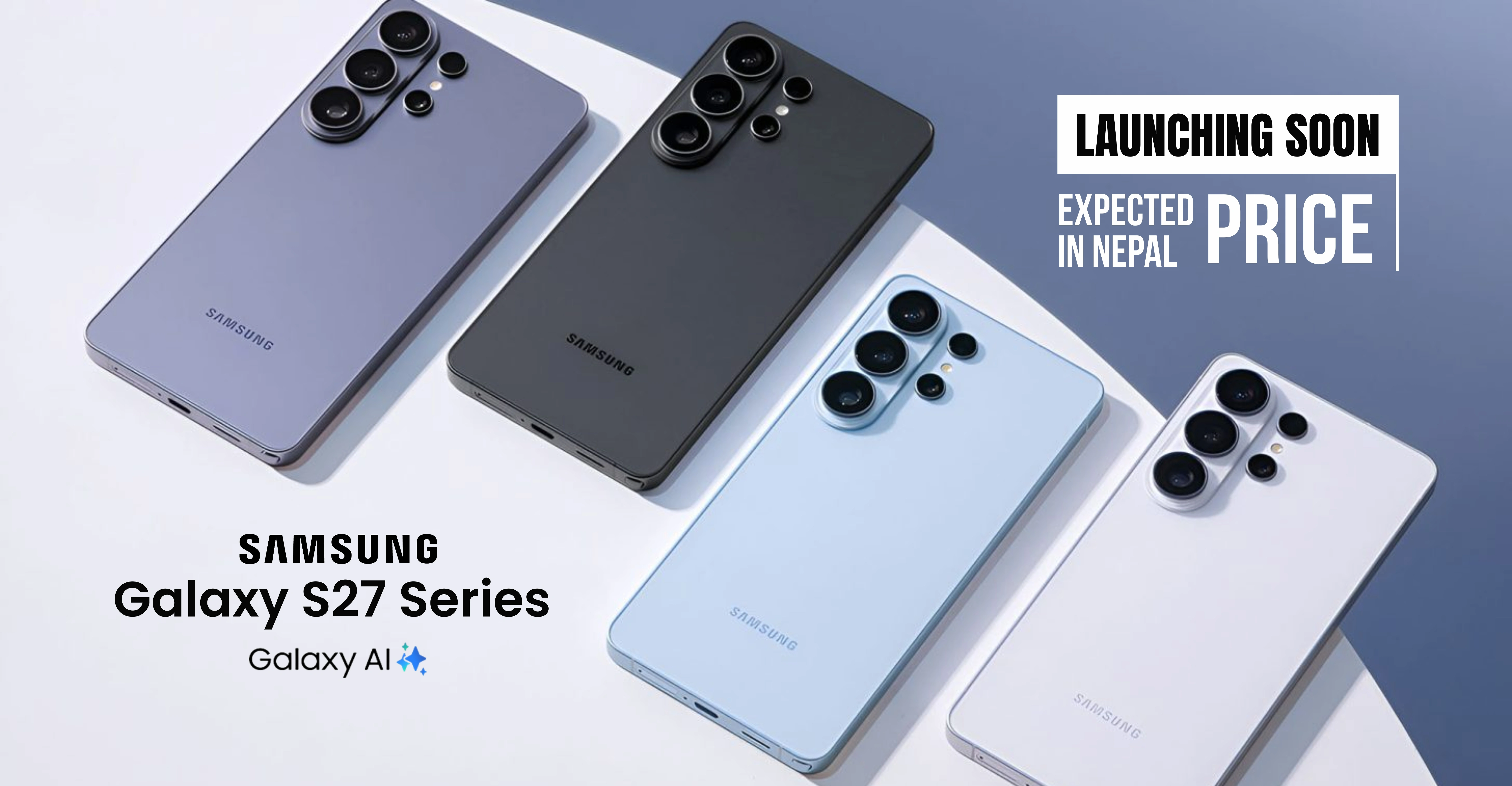
Samsung S27 Price in Nepal, Expected Launch and Full Specifications
9th June, 2026
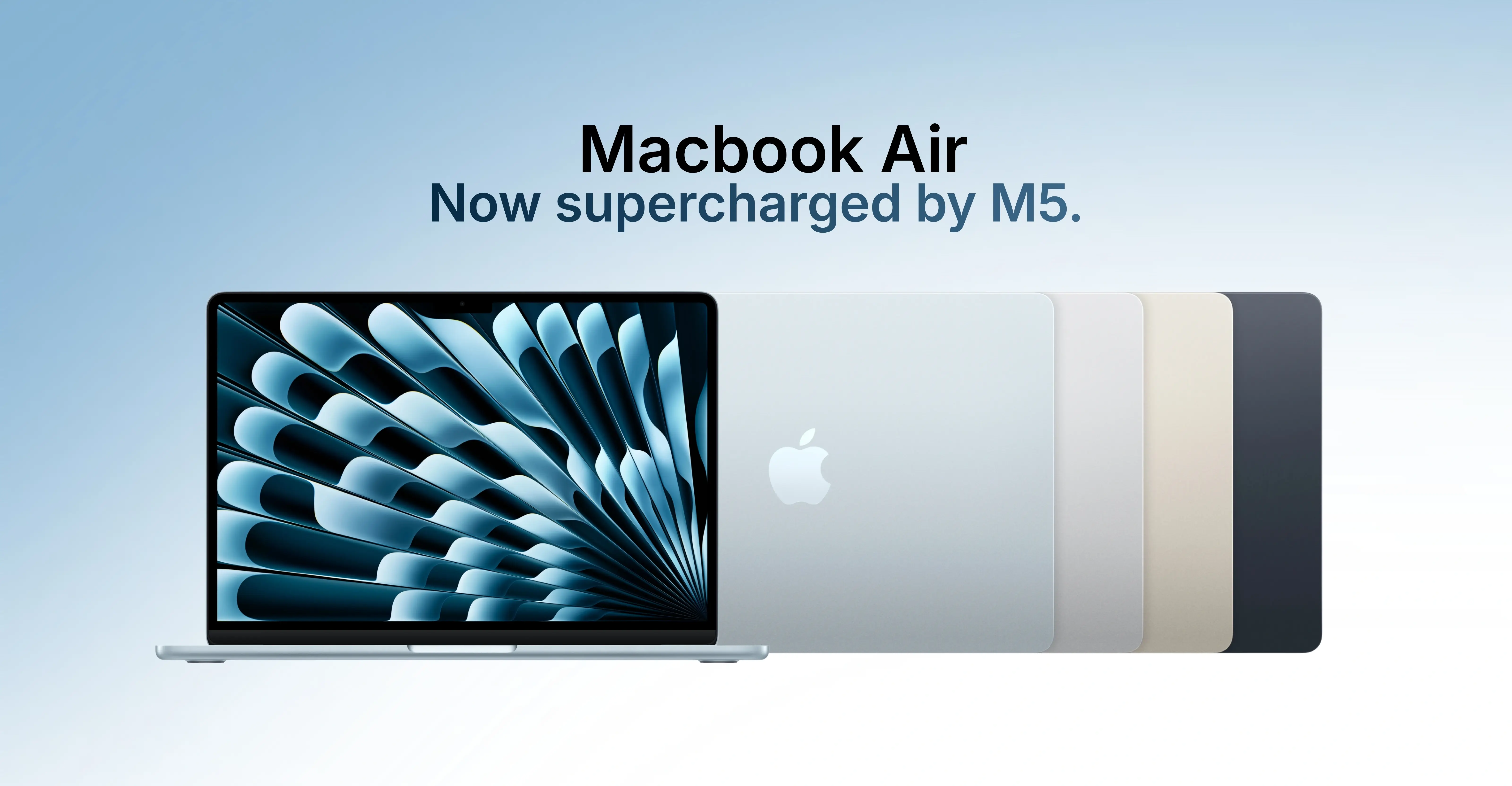
MacBook Air M5: Apple’s Most Popular Macbook Gets a Big Upgrade
13th March, 2026
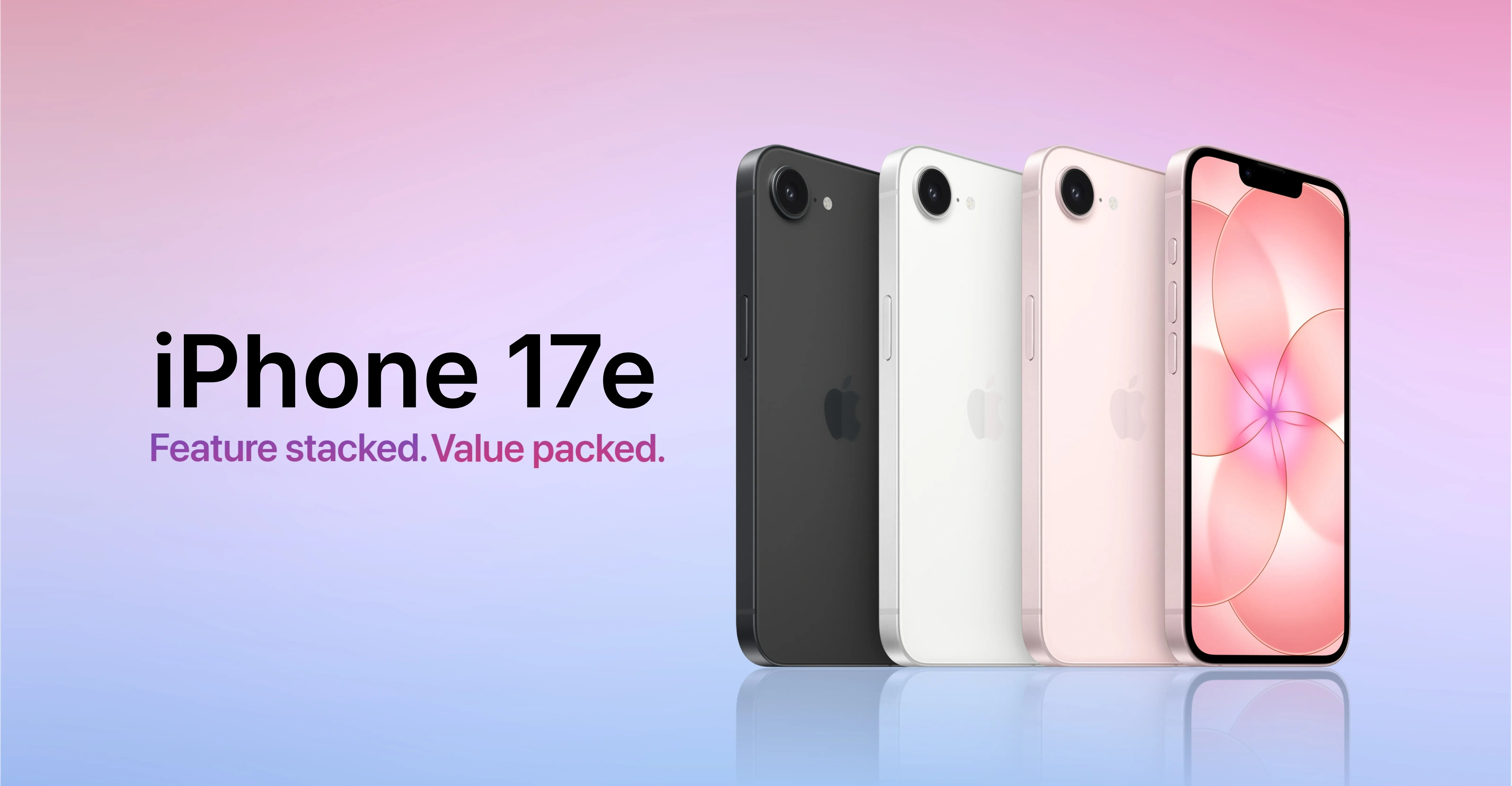
iPhone 17e: Apple’s Most Affordable A19-Powered iPhone Yet
11th March, 2026
Everything you need to know about Samsung S26 Series
10th March, 2026